This fall during a trip out west to visit family we had the opportunity to visit the Heber Valley Railroad in Utah’s Provo Valley. Originally completed in 1899 as a part of the Rio Grande Western the branch line was in service hauling freight until 1966.
The 1970’s and 80’s saw the railroad operating as a private heritage line however in 1990 the railroad would go into bankruptcy. In 1992 the Utah State Legislature voted to purchase the railroad and all of its assets and trains began running again in 1993.
During the 2002 Winter Olympics the railroad served as transportation, bringing visitors from the depot in Heber City to a station at Soldier Valley where passengers transferred to horse drawn sleighs and continued to the venues for the biathlon and cross country skiing.
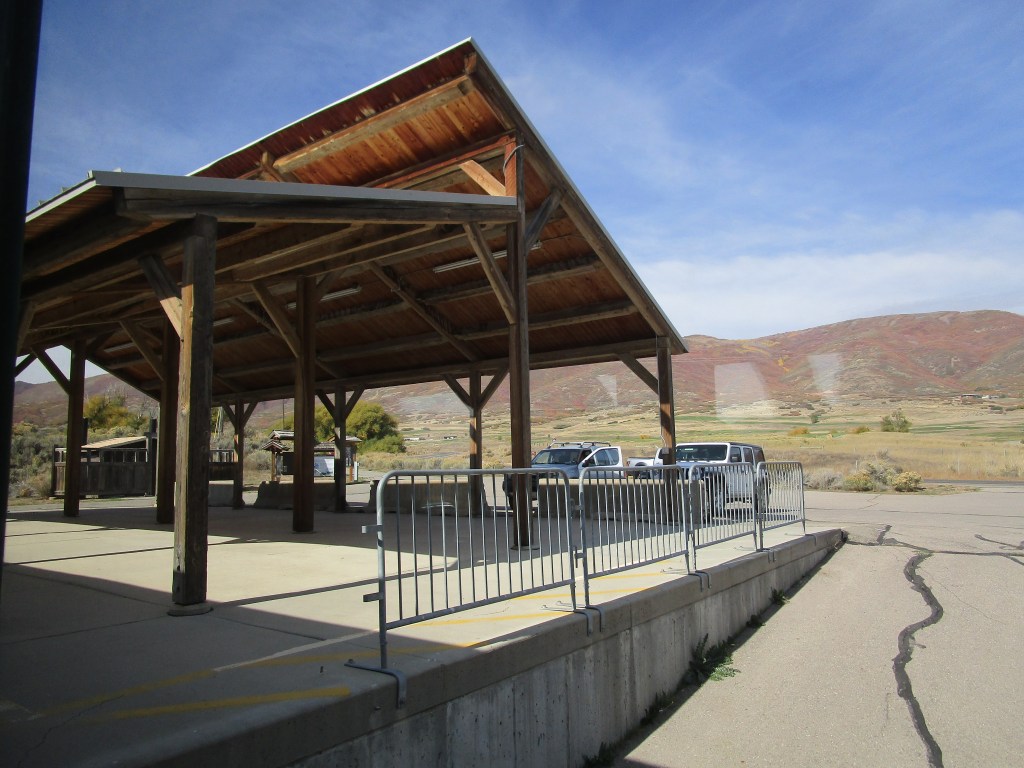
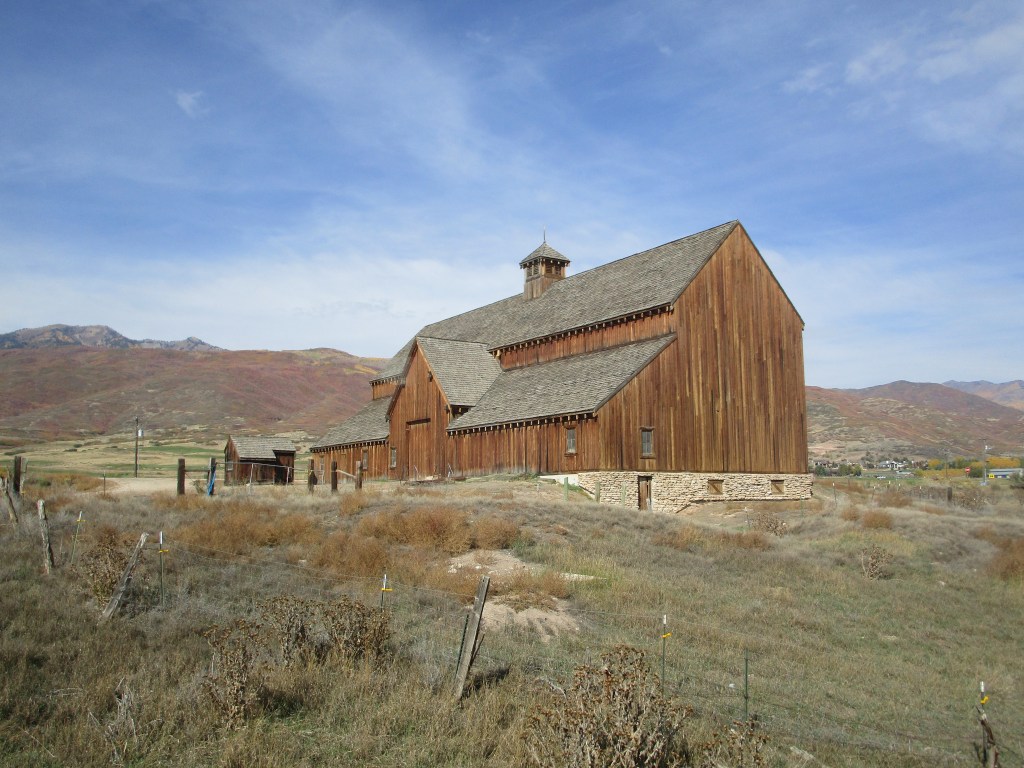
The Soldier Valley station was built specifically for the Olympics and along the way there was also what was called the “Teak Barn” which had been fallen down but was reconstructed just so the Olympic visitors would have something to see on their ride.
The pride of the Heber Valley Railroad is the ex-Union Pacific 618, a class “C-57” 2-8-0 “Consolidation” type steam locomotive. The engine had been on static display at the Utah State Fairgrounds; it was transferred to the Promontory Chapter of the National Railway Historical Society, restored and placed back in service. In 2010 the boiler permit expired and the 618 was placed back on static display. In 2014 it was moved into the shops for overhaul and conversion from coal to oil burning.
Unfortunately during our visit the 618 was not running, it is currently awaiting a boiler inspection. Nor was the Great Western No. 75, another 2-8-0 which is in storage awaiting repairs.
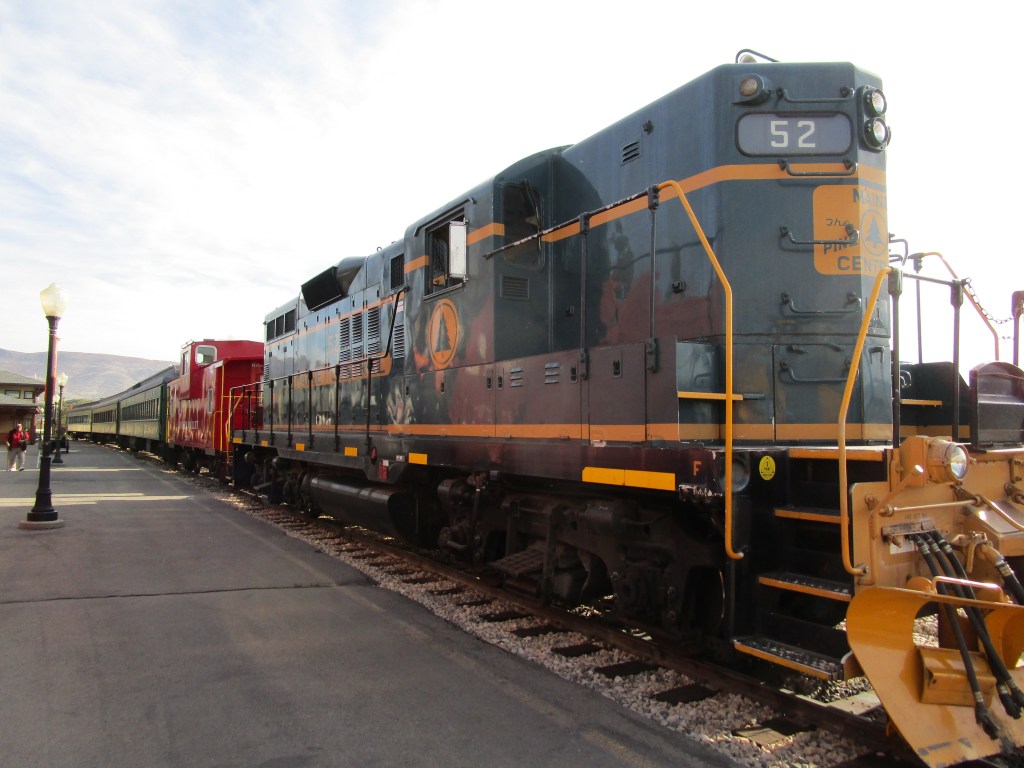
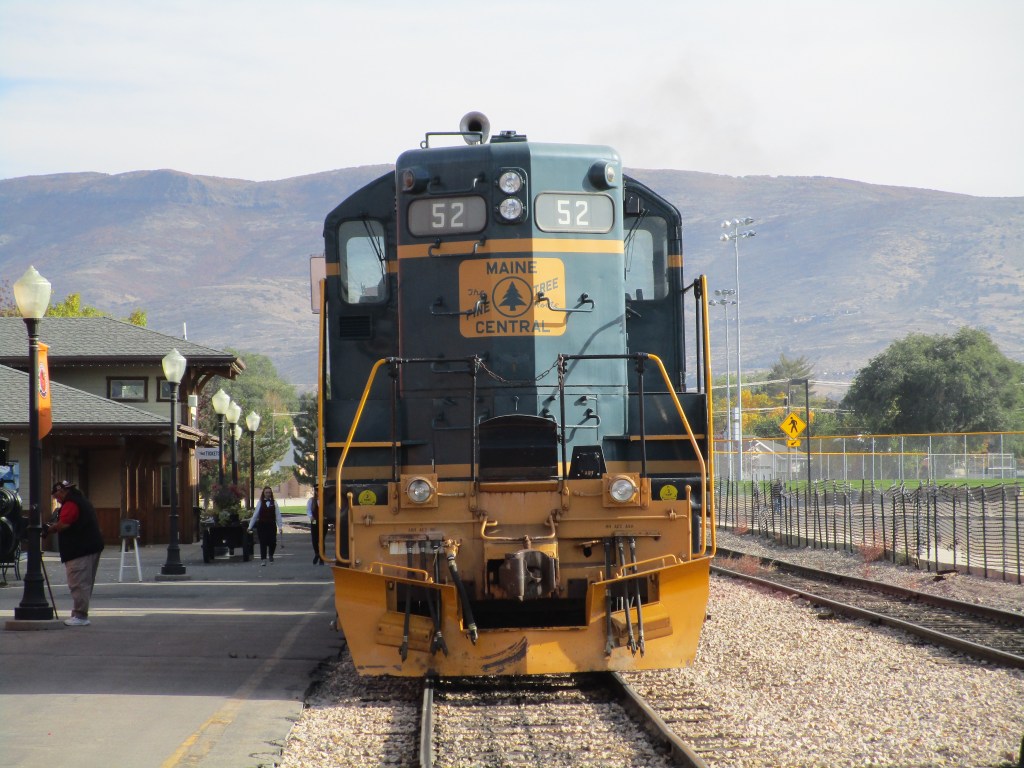
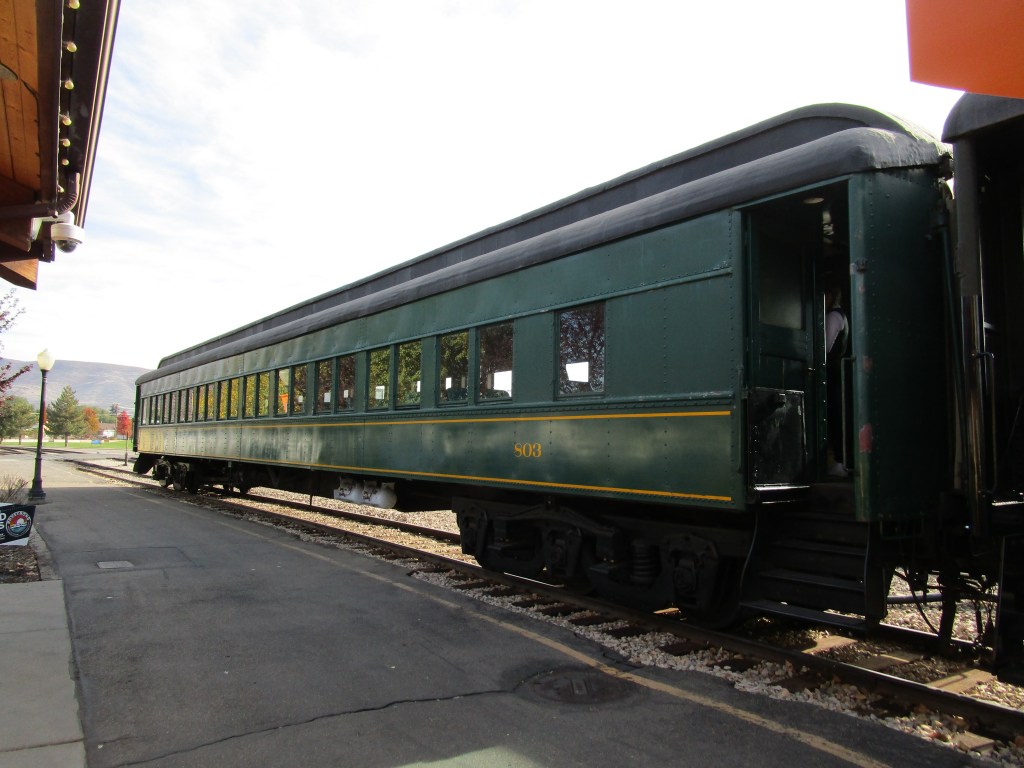
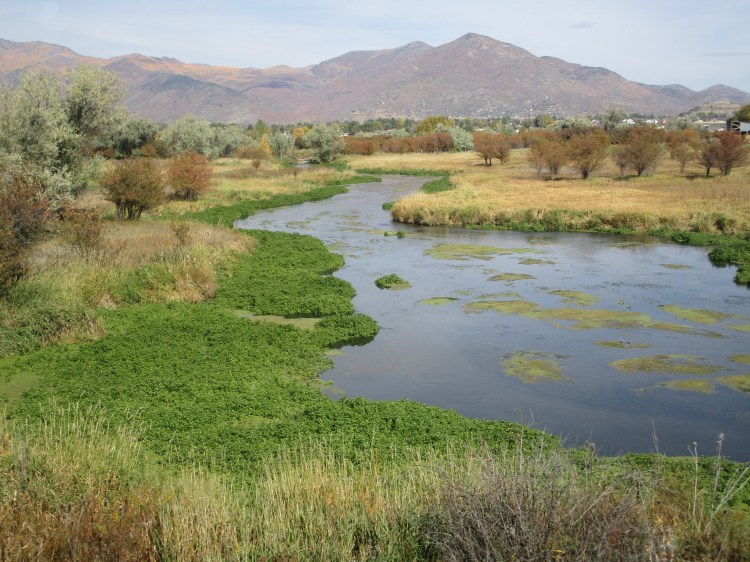
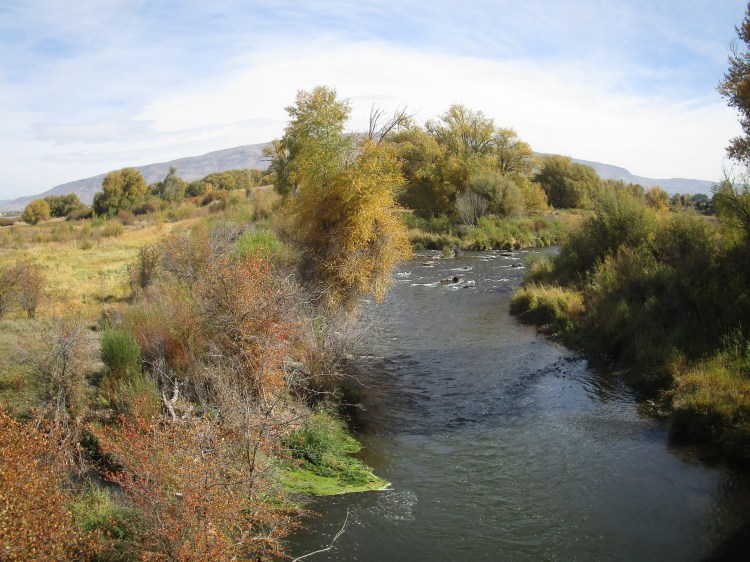
We took a ride on the Lakeside Limited route in a restored 1920’s heavyweight passenger car with the four car train being pulled by a GP-9 diesel locomotive. Once we got out of Heber City the tracks wound through the countryside along the Provo River and Deer Creek reservoir.
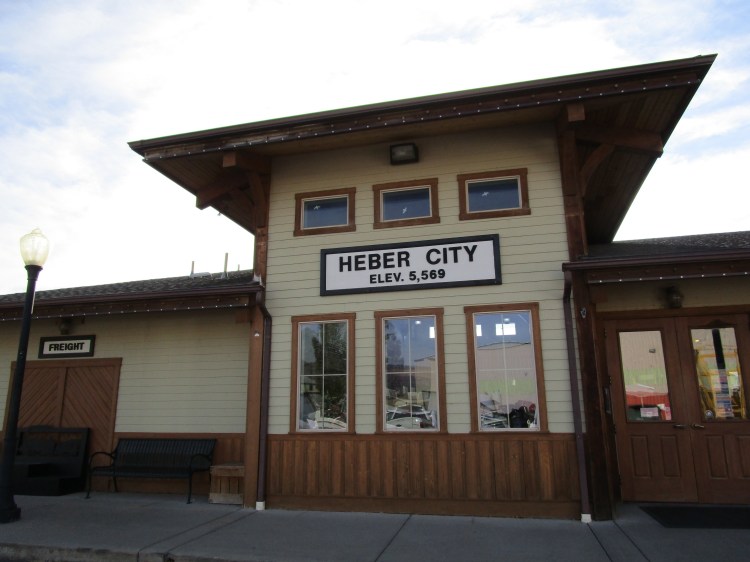
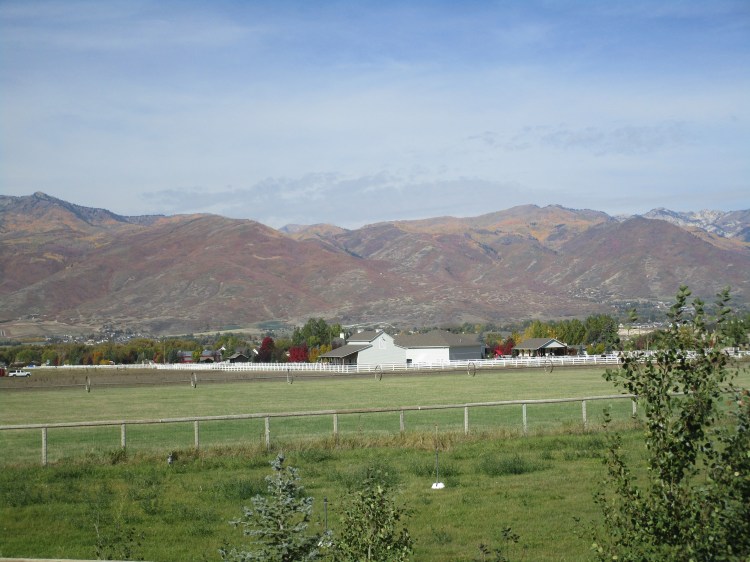
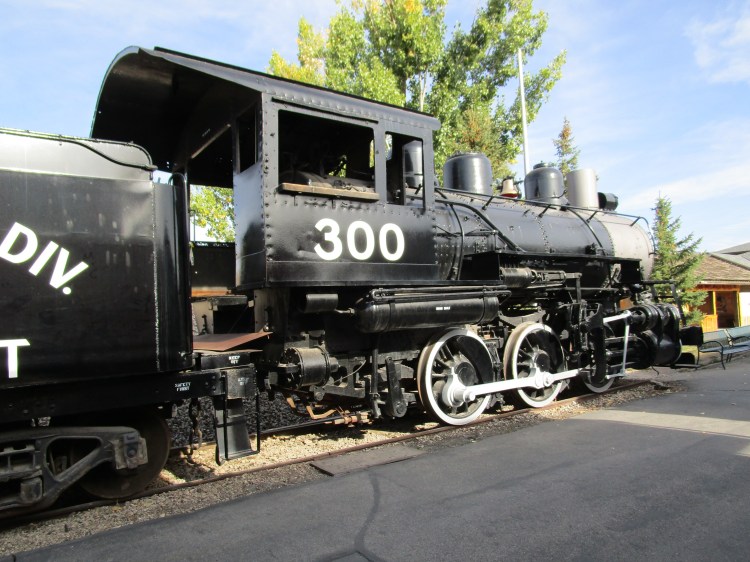
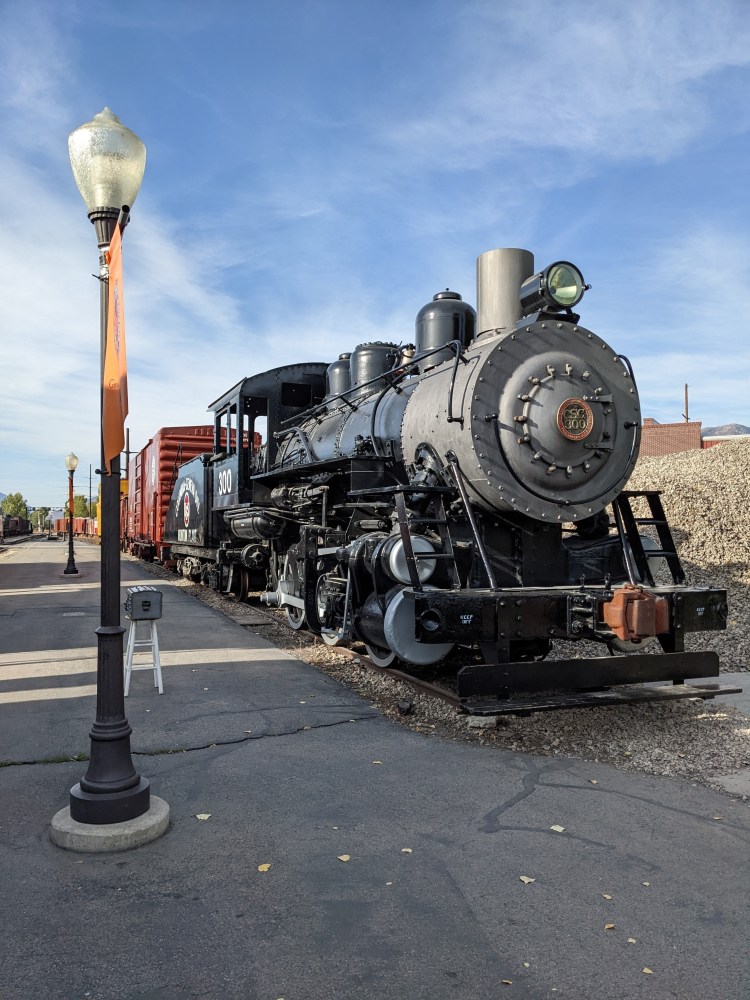
Our visit was enjoyable, we liked the 90 minute ride and the box lunches available were very good. The railroad seems to own a lot of historic rail cars and engines, but very little of it is visible to visitors. There is a small 0-6-0 steam switcher on static display and a bit of rolling stock but other than the train we rode on that was about it. The Heber Valley Railroad spends a considerable amount of their available labor and funds on maintaining and improving their right-of-way. The trip we went on will be expanded and lengthened by 30 minutes next year (2023).
Accessibility for wheelchairs and electric mobility devices was not good. Due to the historic nature of the passenger cars neither can be brought aboard the trains.
 Dismal Creek Railroad