Sigh. So many projects and so little desire to get out in the cold and the muck to work on them. One thing about living in coastal North Carolina is that we do not really get a “Winter”. Years ago I lived in New England and the Engineer was raised in Michigan. You knew it when it was winter. There was snow, everything was frozen and it was cold. All of that combined to make anything garden or outdoor train related out of the question. Here we get very little snow, a lot of rain and it is just cold enough to quash any desire to get out and do something when the sun does make an appearance.
I do have indoor projects to be working on. We bought eight of the Newqida Harz passenger cars to use as a consist with our LGB ÖBB B’B’ 2095 engine.
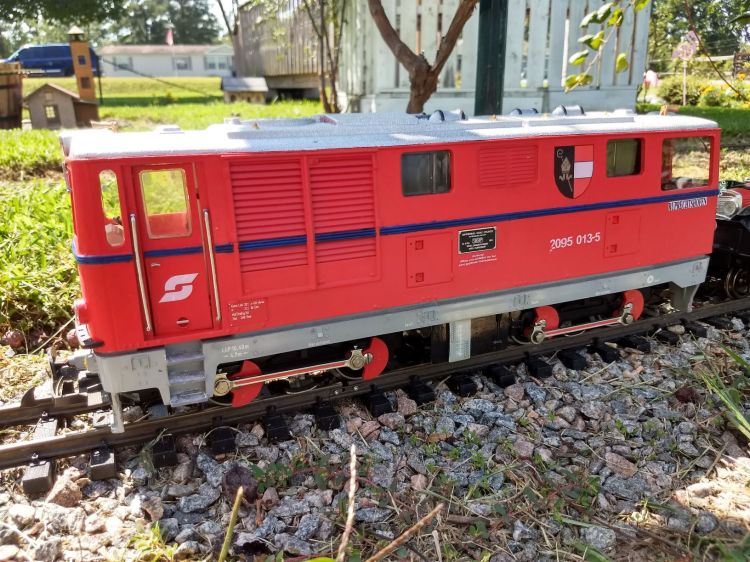
It being a European locomotive it naturally needed a set of appropriate cars to go with it. The Newqida offerings are probably a little lower quality than the LGB equivalent, but they are nicely detailed and only 20% of the cost. Some of the parts look a bit too “plasticky” for my taste so they need to be disassembled and quick coat of paint applied along with interior lighting added. Rattle can painting needs to be done outside so they sit waiting…
With regards to the train garden itself, winter has a way of humbling it. Gone are the lush greens of summer and the proud harvests of fall. In their place stand rutabagas hunkered low in the soil, kale with leaves dulled by frost, and collards drooping under the weight of cold, gray days. At first glance, the winter garden can look tired—almost defeated—but looks can be deceiving.
Our rutabagas are the quiet survivors of the season. Mostly hidden underground, they don’t offer much visual excitement, just a rosette of worn-looking leaves clinging to life above the soil. Yet beneath that dreary surface, the roots are steadily sweetening as temperatures drop. Cold transforms their flavor, turning them from sharp and peppery to mild and comforting, perfect for soups and roasts when the weather turns harsh.
Kale and collards wear winter more visibly. Their once-perky leaves often look battered, edges curled and darkened, sometimes tinged with purple from the cold. They can appear sad and neglected, especially after a hard frost or a stretch of freezing rain. But these greens are tougher than they look. Frost breaks down their starches into sugars, improving flavor and making them some of the tastiest greens of the year, even if they no longer look photo-ready.
There’s a quiet beauty in a winter garden, even when it looks dreary. The muted colors, the slow growth, and the resilience of these crops remind us that gardening isn’t always about abundance and perfection. Sometimes it’s about endurance. Rutabagas, kale, and collards don’t demand attention in winter—they simply persist, waiting patiently for the gardener who knows that life is still happening beneath the surface.
Winter gardening asks for a shift in perspective. Instead of judging plants by their appearance, it rewards patience and faith in what’s unseen. Those ragged leaves and muddy beds are signs of a garden doing exactly what it’s supposed to do: surviving the cold, storing energy, and offering nourishment when little else will grow. Dreary as they may look, winter greens are proof that the garden never truly sleeps.
Here in coastal Carolina, the bedraggled semi-frozen garden, which has endured the abuses of winter, is going to require attention shortly, regardless of how dreary and uninviting working outside is at the moment. The rutabagas, which have stubbornly held their ground throughout the cold months, need to give way shortly for potatoes to go in the ground, ensuring a bountiful harvest come summer. As the sun begins to warm the soil, the kale and collards, once thriving in the frigid air, will have to make room for vibrant carrots and sweet peas, allowing for the garden to transform into a rich tapestry of colors and flavors that will delight the senses and nourish the body. With each passing day, the promise of renewal and growth becomes ever more apparent, urging the gardener to take action and cultivate the earth once again.
We also have plans for supplementing the ballast under our tracks and making long straightaways less higgity jiggity and upgrading the electrical system, but both of those will have to wait until the ground is a bit less frozen.
 Dismal Creek Railroad