The Ultimate G Scale Portability Hack: Folding Beer Pong Tables as Layout Bases
Every large-scale model railroader knows the double-edged sword of G Scale: the trains look absolutely magnificent, but setting up a temporary or traveling layout can be an absolute bear. Traditionally, you have two choices: pack around heavy, custom-built wooden modular tables that require a truck to haul, or crawl around on the cold, hard floor wrestling with track pins while your knees and back beg for mercy.
But what if the perfect solution was sitting right in a college dorm room or a tailgater’s garage?
Enter the portable, folding beer pong table.
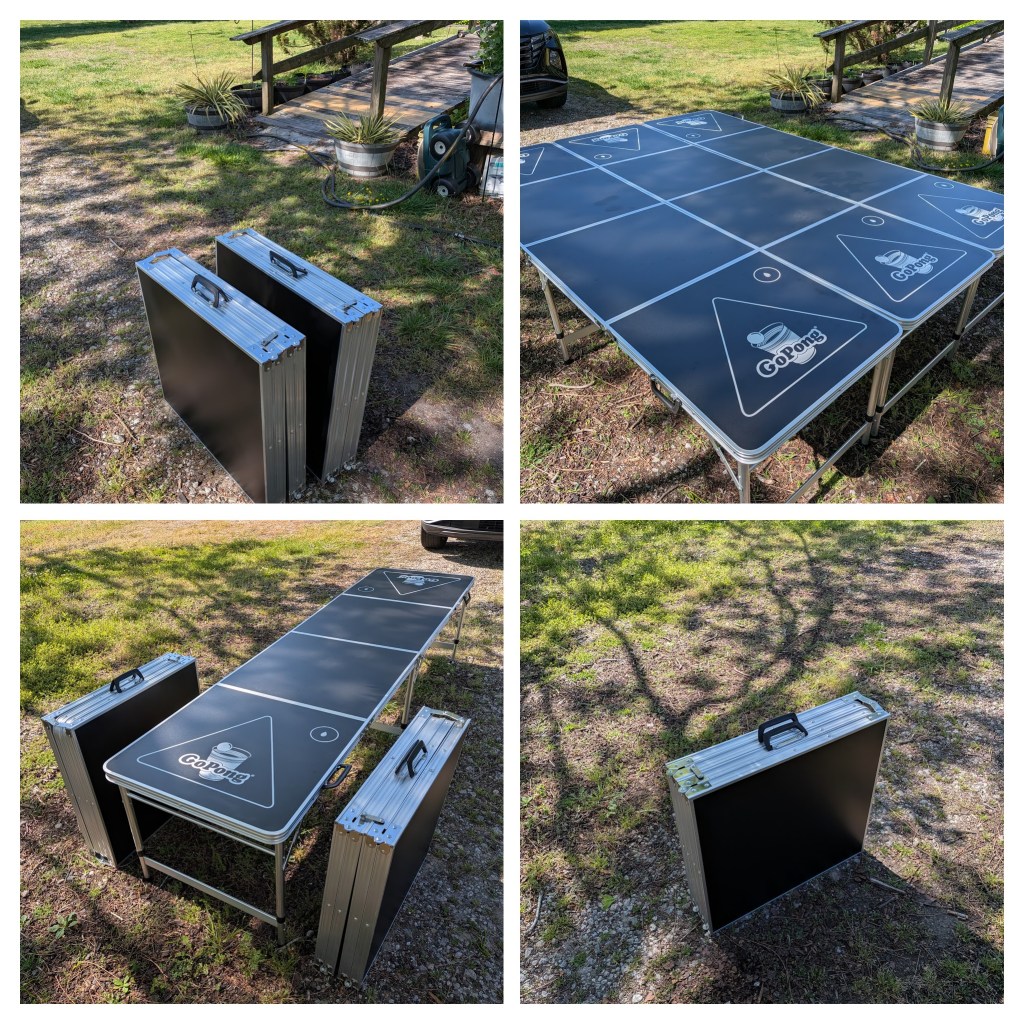
Believe it or not, these ubiquitous party staples are quietly becoming a secret weapon for Large Scale clubs and solo operators alike who need a fast, lightweight, and incredibly elevated display solution. Here is why you should consider trading in the heavy plywood and sawhorses for a few of these aluminum wonders.
Why They Work (The Specs)
When you look past the late-night college associations, a standard portable beer pong table is actually an engineered marvel of convenience:
- The Perfect Dimensions: A standard table unfolds to exactly 8 feet long by 2 feet wide. When you line up three of them side-by-side or end-to-end, you instantly have an incredibly versatile footprint to build upon.
- Lightweight Aluminum Frame: Most versions feature a sturdy but lightweight aluminum construction. One person can easily carry two folded tables at the same time without breaking a sweat.
- Fold-and-Go Portability: They fold down into a compact, self-contained 2′ x 2′ briefcase-style square complete with carrying handles. You can easily fit three or four of these into the trunk of a standard sedan—no trailer or cargo van required!
- Waterproof Surfaces: Because they are designed to handle spilled beverages, the tops are typically made of high-quality melamine or waterproofed materials. This makes them exceptionally durable against accidental moisture, heavy scenery pieces, or track cleaning fluids.
Real-World Proof: Elevating Club Displays
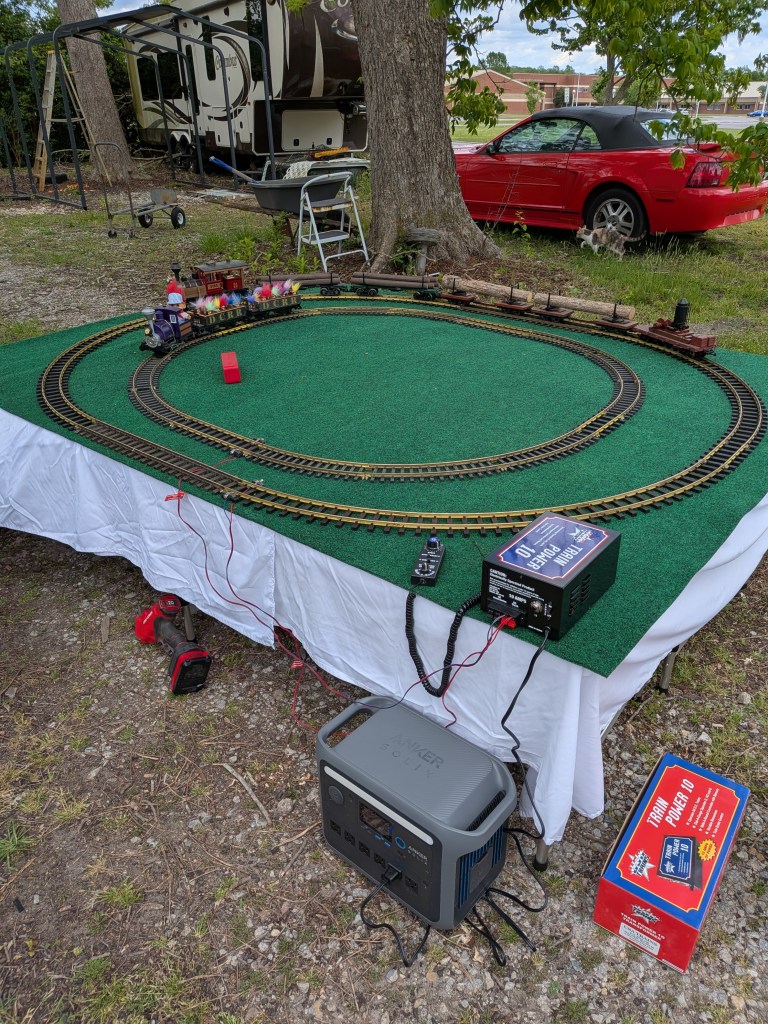
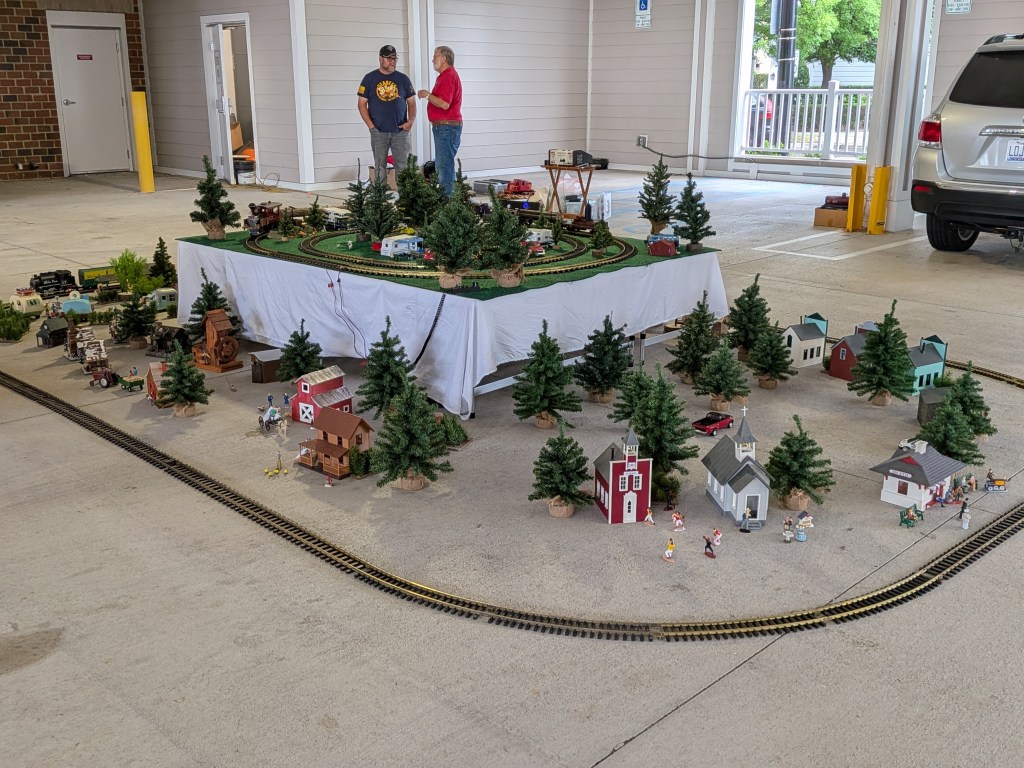
If you think this is just a wild theory, model train groups are already proving it works in the field. For instance, the Tidewater Big Train Operators (TBTO) recently opted to bypass their heavy club modules for a quick-turn display at a local senior living facility. Instead of hauling the trailer, members utilized three portable pong tables to create a flawless, elevated loop.
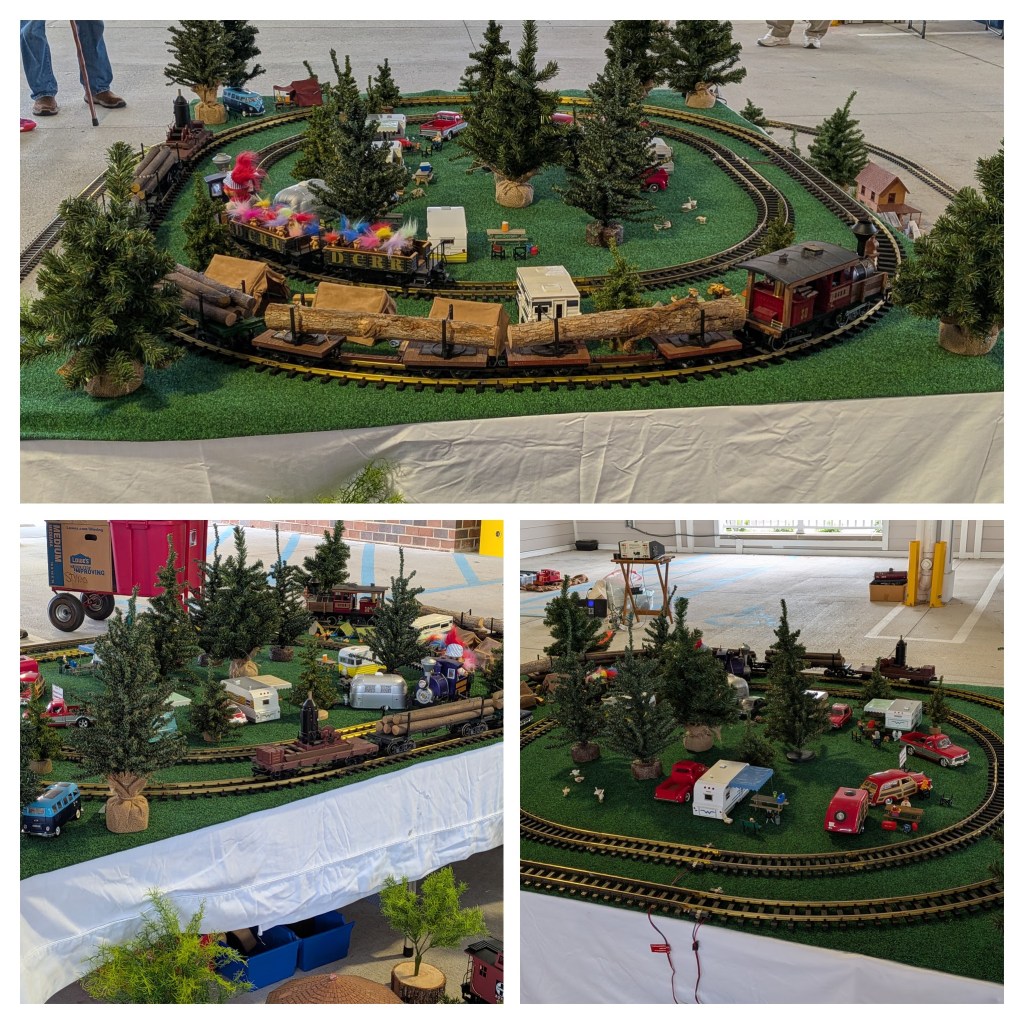
By setting the tables up as a stable central island, they were able to run an elevated three-train layout safely out of harm’s way, while simultaneously running an outer loop right on the floor around the perimeter. The result? Setup took less time, teardown was a breeze, and it completely saved everyone’s backs.
Tips for Modifying a Pong Table Layout
If you want to try this setup for your next pop-up show, open house, or holiday display, here are a few best practices to get the most out of your tables:
1. Leveling is Key
G Scale locomotives are heavy, and any dips or bumps at the table joints can spell disaster for a smooth run. Because pong tables are lightweight, buy a cheap 4-foot bubble level to check the alignment across the table seams. Look for tables that feature adjustable-height legs to easily dial out any uneven floors.
2. Lock the Tables Together
Don’t let a stray bump from a spectator separate your tables mid-run. Use simple nylon spring clamps, C-clamps, or heavy-duty Velcro straps underneath the aluminum frames to lock adjacent tables securely to one another. Always clamp your tables before you start laying down and connecting your track joints.
3. Disguise the Top
Let’s face it: running a pristine, detailed PIKO or Aristocraft steam engine over a graphic of a neon target or a college fraternity logo can break the realism. Cover the tables with a heavy layer of green felt, realistic grass mats, or even roll-out white roofing material to simulate a winter wonderland for holiday shows. Secure the edges with painter’s tape or staples underneath the frame lip.
4. Watch Your Radius
At 2 feet wide, a single table line is too narrow for a G Scale 180-degree turn. To build a classic oval, you’ll want to arrange your tables in an “L” shape, a large “U” shape, or place three tables side-by-side to create a 6-foot wide surface at the loops, allowing ample room for standard R1 or R2 curved tracks to clear the edges safely.
Final Verdict
While folding pong tables won’t replace a permanent, heavily scenicked garden railway or a masterfully crafted hardwood club module, they are unmatched for pop-up events, garage testing stations, or quick community displays. They are affordable, incredibly easy to store, and keep you off the floor so you can actually enjoy watching the trains roll.
 Dismal Creek Railroad